
By Shang Celsius, Founder, eWaste.Pro · Updated 2026-10-29
What Delaware is doing about electronic waste, real numbers from the state, the gaps that remain, and how churches, schools, nonprofits and neighbors can partner with eWaste.Pro.
A love letter to Delaware
When I think about e-waste, I think about places like Delaware: the land, the water and the people who live there. Every old TV, phone and laptop holds materials worth recovering, and some, like lead and mercury, that do not belong in the ground. I want to help change how our neighborhoods handle them.
What the state has done
Delaware has an electronic goods recycling law that makes manufacturers of computers, monitors, laptops and TVs register and pay for recycling, and it keeps those devices out of the trash. You can follow the details through the Delaware Department of Natural Resources and Environmental Control. Laws like this make a real difference, and the people who run these programs deserve credit.
Recent efforts, 2020 to 2026
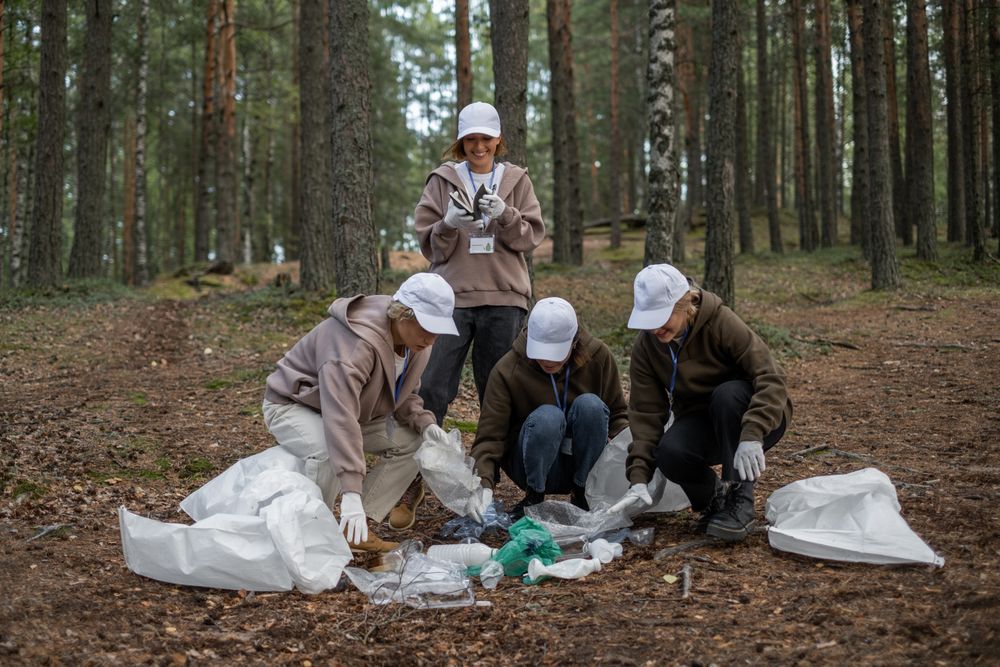
Delaware's electronic goods recycling law (7 Del. C. 6099A to 6099N) makes manufacturers of computers, monitors and TVs register and fund recycling, bans covered devices from trash disposal, and works with the Delaware Solid Waste Authority, which renewed its electronic goods recycling contract in late 2023.
The numbers tell a story
The state does not publish an official statewide recycling total, which is itself part of the problem: what is not measured is hard to improve. Globally, the Global E-waste Monitor 2024 (UNITAR/ITU) counts a record 62 million tonnes of e-waste in 2022, with less than a quarter documented as properly recycled.
The work still ahead
Free collection is built around households, and schools, churches and businesses with larger volumes need to arrange secure recycling on their own.
- Rural families often live far from a drop-off site, so old devices sit in garages or get tossed.
- Many programs cover TVs and computers, but not everything with a plug or a battery.
- Churches, nonprofits and small offices fall between household and business programs.
- People worry about personal data on old phones and laptops, so they hold on to them for years.
Churches and pastors of Delaware: stewardship you can see
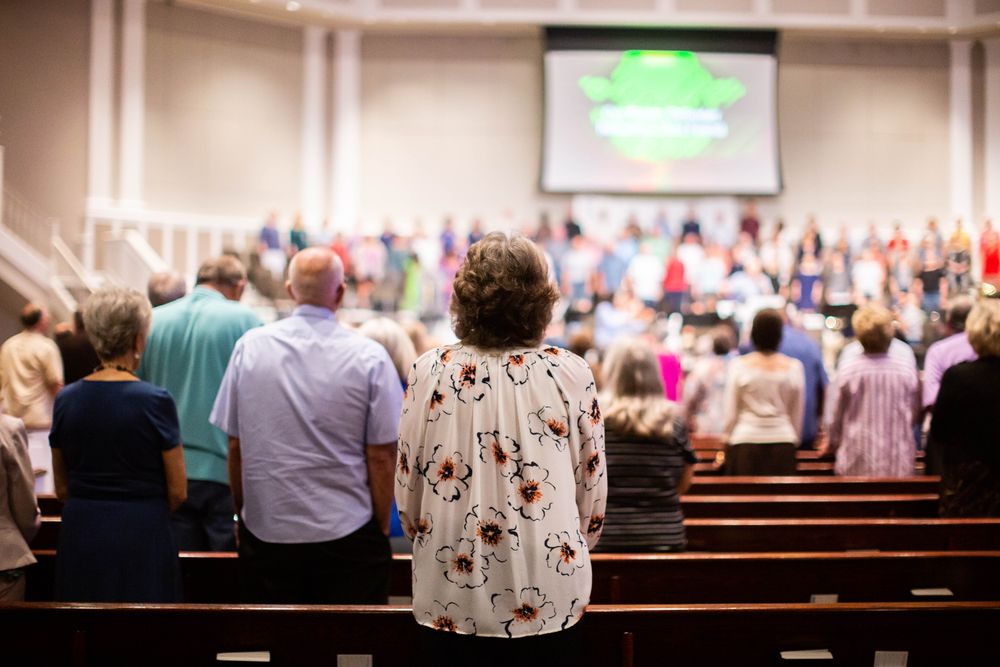
To the pastors, deacons, ministry leaders and church members of Delaware: caring for creation and caring for neighbors go together. An electronics collection drive is one of the simplest ways to put that into practice. Pick a Saturday or a Sunday after service, invite the whole community, and let people bring the old laptops, phones and TVs they have been holding onto. Your church office has technology to steward as well, from computers holding member and giving records to livestream and sound gear. We help with the plan, the pickup and the data wiping, so your congregation can focus on hospitality.
Schools of Delaware: making the Chromebook refresh count
To principals, teachers, PTAs and district tech teams: the devices bought for remote learning around 2020 are aging out, and thousands of Chromebooks and laptops are coming off carts across Delaware. That refresh can be a lesson in itself. Students can help count and sort devices, learn where materials go, and see data privacy taken seriously. Working devices can be refurbished for reuse, and everything else is recycled responsibly with records your district can keep.

How your community can lead
Here is what I have seen work. A church or school hosts a collection day. A town adds e-waste to its spring cleanup. A nonprofit gathers donated devices so working ones can be reused. We pick up, wipe data to NIST SP 800-88, issue a certificate of destruction, and recycle through R2v3 and ISO 14001 certified processes. The EPA calls reuse and certified recycling the best options for old electronics, and I agree.
Let's talk: call us
Call (888) 899-8896 to talk about your e-waste. Tell us about your event, your church office or your school's old devices, and we will propose a solution that fits. Protect your data, protect the environment, and bring value back to your community. We serve every corner of Delaware as part of our nationwide service.
What happens when you call
- We listen first. Tell us about your congregation, school, nonprofit or neighborhood and what you hope to collect.
- We propose a plan. That might be a collection day, a pickup from a church office, or a school cleanout, with clear guidance on what to bring.
- We show up and follow through. We collect the devices, wipe the data, and send you a summary you can share with your members or neighbors.
You do not need a big event to get started. A single closet of old electronics is reason enough to call.
Questions I hear often
Can a church or nonprofit host a collection?
Absolutely. Tell us your date and location, and we will help plan the pickup.
What about the data on my old phone or laptop?
We wipe drives to NIST SP 800-88 and can provide a certificate of destruction.
Do you serve my part of Delaware?
Yes. Our service is nationwide, including towns and rural areas across Delaware.
Call us to talk about your e-waste
We will listen and propose a solution that fits your school, church or business. Protect your data, protect the environment, and bring value back to your organization.
Call (888) 899-8896Schedule a pickup
Shang Celsius is the founder of eWaste.Pro, an R2v3 and ISO 9001, 14001 and 45001 certified electronics recycling and IT asset disposition company that serves schools, churches, public agencies and businesses nationwide.
Sources: Delaware Department of Natural Resources and Environmental Control; Electronics Recycling Coordination Clearinghouse (ERCC); U.S. EPA electronics donation and recycling guide; EPA Sustainable Materials Management: Electronics; Global E-waste Monitor 2024 (UNITAR/ITU). Rules change, so check with your state environmental agency.